Buy coaching-et-formation-coaching.eu ?
We are moving the project
coaching-et-formation-coaching.eu .
Are you interested in purchasing the domain
coaching-et-formation-coaching.eu ?
domain@kv-gmbh.de · 0541-91531010
Buy coaching-et-formation-coaching.eu ?
What are the costs for personal development coaching?
The costs for personal development coaching can vary widely depending on the coach's experience, expertise, and location. Some coaches may charge by the hour, with rates typically ranging from $50 to $300 per hour. Others may offer package deals or monthly retainer fees. Additionally, some coaches may offer group coaching sessions at a lower cost than individual sessions. It's important to research and compare different coaches to find one that fits your budget and needs. **
How is the formation of hydrogen bonds carried out?
The formation of hydrogen bonds occurs when a hydrogen atom that is covalently bonded to an electronegative atom (such as oxygen or nitrogen) is attracted to another electronegative atom. This attraction creates a partial positive charge on the hydrogen atom and a partial negative charge on the electronegative atom, leading to a weak electrostatic interaction between the two. This interaction is what we refer to as a hydrogen bond. These bonds are important in various biological processes, such as the structure of DNA and the folding of proteins. **

Similar search terms for Bonds
Top-Angebote
Products related to Bonds:
-
milk_shake Everlasting Bonds Concentrated Hair Mask 120mLA hair mask. This rich formula transforms hair, leaving it smoother, stronger, and visibly healthier after each use. Ideal for addressing severe damage, it provides deep nourishment without weighing hair down. Instantly rebuilds weakened hair bonds. Deeply nourishes without heaviness. Boosts softness and intense shine.30,83 £*Shipping: 5,34 £Secure redirect to the provider
-
milk_shake Everlasting Bonds Leave In Treatment 100mLA hair-care product. It a lightweight leave-in treatment designed to enhance your hair's softness, shine, and manageability without adding weight. This innovative formula provides heat protection up to 230°C, making it ideal for styling while addressing hair damage and promoting a healthier appearance.31,97 £*Shipping: 5,34 £Secure redirect to the provider
-
milk_shake Everlasting Bonds Shampoo for Damaged Hair 300mLA shampoo. Everlasting Bonds Shampoo is a transformative hair care solution designed to restore strength, softness, and resilience to damaged and stressed hair. This gentle yet effective cleanser not only repairs weakened hair bonds but also removes impurities without stripping the hair of its natural moisture.23,98 £*Shipping: 7,11 £Secure redirect to the provider
-
SAGE Publications The Complete Handbook of Coaching, 3rd EditionThis book provides a wide-ranging guide to the complex, multidisciplinary area of coaching, helping trainees to find comprehensive answers to their coaching questions. It allows them to identify and develop their own personal style of coaching.A specially selected group of international authors contribute various expertise and insights across three key areas: Theoretical perspectives Contexts and genres of coaching Professional practice Issues Learning is also supported by new online resources. Videos, case studies, journal articles and useful websites have been carefully collated by our contributors to help trainees make the crucial link between theory and practice.26,99 £*Shipping: 2,99 £Secure redirect to the provider


-
What are the differences between covalent bonds, metallic bonds, and ionic bonds?
Covalent bonds are formed when two atoms share electrons, resulting in a strong bond between the atoms. Metallic bonds occur between metal atoms, where the electrons are delocalized and free to move throughout the structure, creating a strong bond. Ionic bonds are formed between a metal and a nonmetal, where one atom transfers electrons to the other, resulting in the formation of positively and negatively charged ions that are attracted to each other. Overall, covalent bonds involve electron sharing, metallic bonds involve electron delocalization, and ionic bonds involve electron transfer. **
-
Do CO bonds form with other CO bonds?
No, CO bonds do not typically form with other CO bonds. Carbon monoxide (CO) is a stable molecule with a triple bond between the carbon and oxygen atoms. This triple bond is strong and does not readily form additional bonds with other CO molecules. Instead, CO molecules tend to interact with other types of molecules through various types of chemical reactions. **
-
What conditions must be met for the formation of hydrogen bonds?
Hydrogen bonds form between a hydrogen atom bonded to an electronegative atom (such as oxygen, nitrogen, or fluorine) and another electronegative atom. The electronegative atom must have a lone pair of electrons to donate to form a hydrogen bond. Additionally, the distance between the hydrogen atom and the electronegative atom must be close enough for the bond to form. These conditions allow for the formation of the relatively weak but important hydrogen bonds in molecules. **
-
Why are intermolecular bonds weaker than electron pair bonds?
Intermolecular bonds are weaker than electron pair bonds because they involve interactions between molecules rather than within a single molecule. In intermolecular bonds, the attractive forces between molecules are generally weaker than the covalent bonds that hold atoms together within a molecule. Additionally, intermolecular bonds are typically temporary and can be easily broken, whereas electron pair bonds are strong and stable. Overall, the weaker nature of intermolecular bonds allows molecules to move and interact with each other more freely. **

Why are intermolecular bonds generally weaker than covalent bonds?
Intermolecular bonds are generally weaker than covalent bonds because they involve interactions between molecules rather than within a single molecule. Covalent bonds involve the sharing of electrons between atoms, creating strong bonds within a molecule. In contrast, intermolecular bonds, such as hydrogen bonds or van der Waals forces, are weaker because they are based on temporary interactions between molecules, which can be easily broken. Additionally, intermolecular bonds are influenced by factors such as distance and orientation, further contributing to their weaker nature compared to covalent bonds. **
Why are intermolecular bonds typically weaker than covalent bonds?
Intermolecular bonds are typically weaker than covalent bonds because they involve interactions between molecules rather than within a single molecule. In intermolecular bonds, the attractive forces between molecules, such as van der Waals forces or hydrogen bonding, are weaker than the strong sharing of electrons in covalent bonds. Additionally, intermolecular bonds are more easily broken or disrupted by changes in temperature or pressure, leading to lower bond energies compared to covalent bonds. **
Top-Angebote
Products related to Bonds:
-
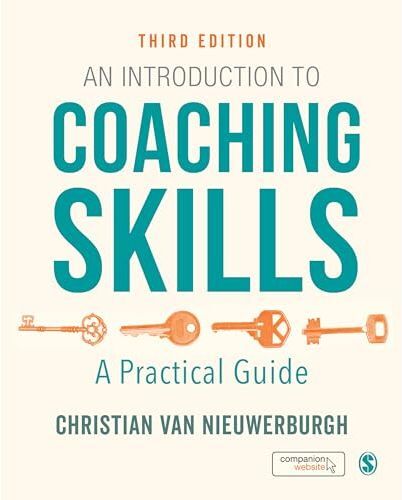
SAGE Publications An Introduction to Coaching Skills: A Practical GuideTo access the exclusive SAGE Videos, please see the code and instructions on the inside front cover of your textbook. If you have purchased the eBook from Amazon or another online retailer, please visit the book′s online resource site to contact SAGE, and we will assist further. This bestselling book introduces you step-by-step to the key skills needed to become a successful coach. Supported by an Online Resource site with over 70 videos of coaching in action, this practical book will be an invaluable resource for novices and trainee coaches.19,49 £*Shipping: 2,99 £Secure redirect to the provider
-
milk_shake Everlasting Bonds Repair Conditioner 250mLA conditioner. Everlasting Bonds Conditioner is designed to nourish, strengthen, and restore softness to normal to mildly damaged hair. This lightweight bond-repair conditioner provides healthier, smoother-looking results while addressing key hair concerns. Transform your hair with our bond-repair technology for visibly healthier results.30,83 £*Shipping: 7,11 £Secure redirect to the provider
-
milk_shake Everlasting Bonds Concentrated Hair Mask 120mLA hair mask. This rich formula transforms hair, leaving it smoother, stronger, and visibly healthier after each use. Ideal for addressing severe damage, it provides deep nourishment without weighing hair down. Instantly rebuilds weakened hair bonds. Deeply nourishes without heaviness. Boosts softness and intense shine.30,83 £*Shipping: 5,34 £Secure redirect to the provider
-
milk_shake Everlasting Bonds Leave In Treatment 100mLA hair-care product. It a lightweight leave-in treatment designed to enhance your hair's softness, shine, and manageability without adding weight. This innovative formula provides heat protection up to 230°C, making it ideal for styling while addressing hair damage and promoting a healthier appearance.31,97 £*Shipping: 5,34 £Secure redirect to the provider
-
What are the costs for personal development coaching?
The costs for personal development coaching can vary widely depending on the coach's experience, expertise, and location. Some coaches may charge by the hour, with rates typically ranging from $50 to $300 per hour. Others may offer package deals or monthly retainer fees. Additionally, some coaches may offer group coaching sessions at a lower cost than individual sessions. It's important to research and compare different coaches to find one that fits your budget and needs. **
-
How is the formation of hydrogen bonds carried out?
The formation of hydrogen bonds occurs when a hydrogen atom that is covalently bonded to an electronegative atom (such as oxygen or nitrogen) is attracted to another electronegative atom. This attraction creates a partial positive charge on the hydrogen atom and a partial negative charge on the electronegative atom, leading to a weak electrostatic interaction between the two. This interaction is what we refer to as a hydrogen bond. These bonds are important in various biological processes, such as the structure of DNA and the folding of proteins. **
-
What are the differences between covalent bonds, metallic bonds, and ionic bonds?
Covalent bonds are formed when two atoms share electrons, resulting in a strong bond between the atoms. Metallic bonds occur between metal atoms, where the electrons are delocalized and free to move throughout the structure, creating a strong bond. Ionic bonds are formed between a metal and a nonmetal, where one atom transfers electrons to the other, resulting in the formation of positively and negatively charged ions that are attracted to each other. Overall, covalent bonds involve electron sharing, metallic bonds involve electron delocalization, and ionic bonds involve electron transfer. **
-
Do CO bonds form with other CO bonds?
No, CO bonds do not typically form with other CO bonds. Carbon monoxide (CO) is a stable molecule with a triple bond between the carbon and oxygen atoms. This triple bond is strong and does not readily form additional bonds with other CO molecules. Instead, CO molecules tend to interact with other types of molecules through various types of chemical reactions. **
Similar search terms for Bonds
-
milk_shake Everlasting Bonds Shampoo for Damaged Hair 300mLA shampoo. Everlasting Bonds Shampoo is a transformative hair care solution designed to restore strength, softness, and resilience to damaged and stressed hair. This gentle yet effective cleanser not only repairs weakened hair bonds but also removes impurities without stripping the hair of its natural moisture.23,98 £*Shipping: 7,11 £Secure redirect to the provider
-
SAGE Publications The Complete Handbook of Coaching, 3rd EditionThis book provides a wide-ranging guide to the complex, multidisciplinary area of coaching, helping trainees to find comprehensive answers to their coaching questions. It allows them to identify and develop their own personal style of coaching.A specially selected group of international authors contribute various expertise and insights across three key areas: Theoretical perspectives Contexts and genres of coaching Professional practice Issues Learning is also supported by new online resources. Videos, case studies, journal articles and useful websites have been carefully collated by our contributors to help trainees make the crucial link between theory and practice.26,99 £*Shipping: 2,99 £Secure redirect to the provider
-
On Spot Shop High Visibility LCD Digital Stopwatch, Waterproof Handheld Chronograph For Coaching, Sports Training & Track Meets yellowAchieve peak performance with pinpoint accuracy. This professional Waterproof Stopwatch is the essential tool for coaches, athletes, and fitness enthusiasts who demand reliability and precision in their training sessions.Engineered for the rigors of...22,97 $*Shipping: 0,00 $Secure redirect to the provider
-
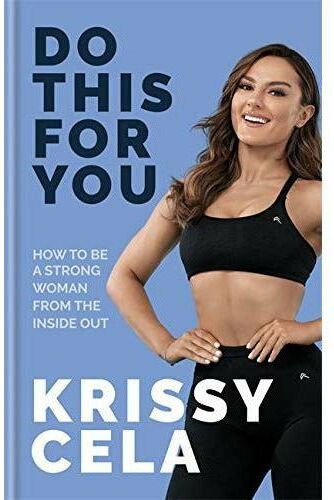
Aster Krissy Cela, Do This for You Book (Fitness Book, Coaching Book)Krissy Cela, Do This for You Book (Fitness Book, Coaching Book) Instagram sensation Krissy Cela is the one-woman revolution set to transform how you think about fitness. It's time to reassess your approach to getting fit! No more crazy self-punishment, 'miracle' diets or one-size-fits-all rules. Having changed the lives of millions of people through her no-nonsense, friendly and supportive coaching, Krissy Cela wants to show you that being healthy in body happens most effectively when you focus on the right mindset. Krissy will shift your thinking away from how you want to look to how you want to feel. Feeling confident and happy will always be more important than your dress size. Krissy will give you the tools to deal with mental barriers such as anxiety, stress and low self-esteem, which affect more of us than ever before. She will help you challenge negative thinking to help you build healthy habits that deliver long-lasting, realistic results. A balanced lifestyle will become as second nature to you as brushing your teeth, and you won't have to give up the food you love! Do This for You gives you everything you need to feel good in body and mind, every single day. Chapters include: 1. Find Your 'Why' 2. Lose the Excuses 3. Maximize Your Time 4. Form Healthy Habits 5. Shift Your Perspective 6. Believe You Can 7. Find Your Tribe 8. Embrace the Fear 9. Be More Than Motivated 10. Build Your Strength 11. Love Your Food 12. Do This for You3,71 £*Shipping: 1,99 £Secure redirect to the provider
-
What conditions must be met for the formation of hydrogen bonds?
Hydrogen bonds form between a hydrogen atom bonded to an electronegative atom (such as oxygen, nitrogen, or fluorine) and another electronegative atom. The electronegative atom must have a lone pair of electrons to donate to form a hydrogen bond. Additionally, the distance between the hydrogen atom and the electronegative atom must be close enough for the bond to form. These conditions allow for the formation of the relatively weak but important hydrogen bonds in molecules. **
-
Why are intermolecular bonds weaker than electron pair bonds?
Intermolecular bonds are weaker than electron pair bonds because they involve interactions between molecules rather than within a single molecule. In intermolecular bonds, the attractive forces between molecules are generally weaker than the covalent bonds that hold atoms together within a molecule. Additionally, intermolecular bonds are typically temporary and can be easily broken, whereas electron pair bonds are strong and stable. Overall, the weaker nature of intermolecular bonds allows molecules to move and interact with each other more freely. **
-
Why are intermolecular bonds generally weaker than covalent bonds?
Intermolecular bonds are generally weaker than covalent bonds because they involve interactions between molecules rather than within a single molecule. Covalent bonds involve the sharing of electrons between atoms, creating strong bonds within a molecule. In contrast, intermolecular bonds, such as hydrogen bonds or van der Waals forces, are weaker because they are based on temporary interactions between molecules, which can be easily broken. Additionally, intermolecular bonds are influenced by factors such as distance and orientation, further contributing to their weaker nature compared to covalent bonds. **
-
Why are intermolecular bonds typically weaker than covalent bonds?
Intermolecular bonds are typically weaker than covalent bonds because they involve interactions between molecules rather than within a single molecule. In intermolecular bonds, the attractive forces between molecules, such as van der Waals forces or hydrogen bonding, are weaker than the strong sharing of electrons in covalent bonds. Additionally, intermolecular bonds are more easily broken or disrupted by changes in temperature or pressure, leading to lower bond energies compared to covalent bonds. **
* All prices are inclusive of VAT and, if applicable, plus shipping costs. The offer information is based on the details provided by the respective shop and is updated through automated processes. Real-time updates do not occur, so deviations can occur in individual cases. ** Note: Parts of this content were created by AI.