Buy coaching-et-formation-coaching.eu ?
We are moving the project
coaching-et-formation-coaching.eu .
Are you interested in purchasing the domain
coaching-et-formation-coaching.eu ?
domain@kv-gmbh.de · 0541-91531010
Buy coaching-et-formation-coaching.eu ?
What types of symmetry are there: point symmetry, axis symmetry, or no symmetry?
There are three types of symmetry: point symmetry, axis symmetry, and no symmetry. Point symmetry occurs when an object can be rotated 180 degrees around a central point and still look the same. Axis symmetry, also known as reflection symmetry, occurs when an object can be reflected across a line and still look the same. No symmetry means that the object does not have any regular repeating pattern or axis of reflection. **
What is the difference between axis symmetry, axis of symmetry, rotational symmetry, and point symmetry?
Axis symmetry refers to the property of a shape being symmetrical with respect to an axis, meaning that if the shape is folded along the axis, the two halves will coincide. The axis of symmetry is the line along which the shape is symmetrical. Rotational symmetry refers to the property of a shape being able to be rotated by a certain angle and still look the same. Point symmetry refers to the property of a shape being symmetrical with respect to a central point, meaning that if the shape is rotated 180 degrees around the point, it will look the same. **

Similar search terms for Symmetry
Top-Angebote
Products related to Symmetry:




-
What are the costs for personal development coaching?
The costs for personal development coaching can vary widely depending on the coach's experience, expertise, and location. Some coaches may charge by the hour, with rates typically ranging from $50 to $300 per hour. Others may offer package deals or monthly retainer fees. Additionally, some coaches may offer group coaching sessions at a lower cost than individual sessions. It's important to research and compare different coaches to find one that fits your budget and needs. **
-
What are the similarities between axial symmetry and point symmetry?
Both axial symmetry and point symmetry involve the concept of symmetry in geometric shapes. In axial symmetry, an object is symmetrical if it can be divided into two equal halves by a line of symmetry. Similarly, in point symmetry, an object is symmetrical if it looks the same after being rotated 180 degrees around a central point. Both types of symmetry result in balanced and visually appealing shapes. **
-
What is the difference between point symmetry and rotational symmetry?
Point symmetry occurs when a figure looks the same after being rotated 180 degrees around a central point, while rotational symmetry occurs when a figure looks the same after being rotated a certain angle around a central point. In other words, point symmetry requires a 180-degree rotation to look the same, while rotational symmetry can occur with rotations of different angles. Additionally, point symmetry is a specific type of rotational symmetry, as it is a rotation of 180 degrees. **
-
What is the difference between axis symmetry and point symmetry?
Axis symmetry refers to a shape or object being symmetrical with respect to an axis, meaning that if you were to fold the shape along the axis, the two halves would perfectly overlap. Point symmetry, on the other hand, refers to a shape or object being symmetrical with respect to a single point, meaning that if you were to rotate the shape 180 degrees around that point, it would look the same. In essence, axis symmetry involves reflection across a line, while point symmetry involves rotation around a point. **


Point or axis symmetry?
Point symmetry occurs when a figure can be rotated 180 degrees around a central point and still look the same. Axis symmetry, on the other hand, occurs when a figure can be reflected across a line and still look the same. Point symmetry is less common in geometric figures compared to axis symmetry. **
What is rotational symmetry?
Rotational symmetry is a type of symmetry where a shape or object can be rotated by a certain angle and still look the same. In other words, if you can rotate a shape less than 360 degrees and it appears unchanged, then it has rotational symmetry. The number of times a shape can be rotated and still look the same is called its order of rotational symmetry. Shapes like circles have infinite rotational symmetry, as they look the same no matter how many times they are rotated. **
Top-Angebote
Products related to Symmetry:
-
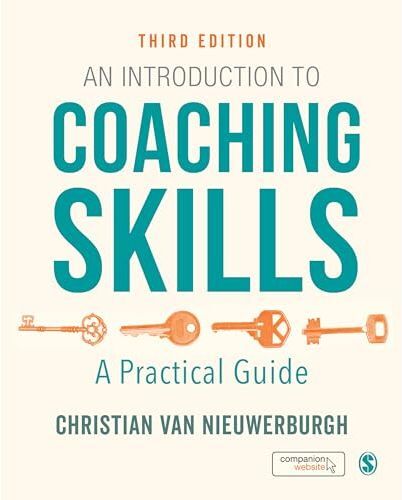
SAGE Publications An Introduction to Coaching Skills: A Practical GuideTo access the exclusive SAGE Videos, please see the code and instructions on the inside front cover of your textbook. If you have purchased the eBook from Amazon or another online retailer, please visit the book′s online resource site to contact SAGE, and we will assist further. This bestselling book introduces you step-by-step to the key skills needed to become a successful coach. Supported by an Online Resource site with over 70 videos of coaching in action, this practical book will be an invaluable resource for novices and trainee coaches.19,49 £*Shipping: 2,99 £Secure redirect to the provider
-
What types of symmetry are there: point symmetry, axis symmetry, or no symmetry?
There are three types of symmetry: point symmetry, axis symmetry, and no symmetry. Point symmetry occurs when an object can be rotated 180 degrees around a central point and still look the same. Axis symmetry, also known as reflection symmetry, occurs when an object can be reflected across a line and still look the same. No symmetry means that the object does not have any regular repeating pattern or axis of reflection. **
-
What is the difference between axis symmetry, axis of symmetry, rotational symmetry, and point symmetry?
Axis symmetry refers to the property of a shape being symmetrical with respect to an axis, meaning that if the shape is folded along the axis, the two halves will coincide. The axis of symmetry is the line along which the shape is symmetrical. Rotational symmetry refers to the property of a shape being able to be rotated by a certain angle and still look the same. Point symmetry refers to the property of a shape being symmetrical with respect to a central point, meaning that if the shape is rotated 180 degrees around the point, it will look the same. **
-
What are the costs for personal development coaching?
The costs for personal development coaching can vary widely depending on the coach's experience, expertise, and location. Some coaches may charge by the hour, with rates typically ranging from $50 to $300 per hour. Others may offer package deals or monthly retainer fees. Additionally, some coaches may offer group coaching sessions at a lower cost than individual sessions. It's important to research and compare different coaches to find one that fits your budget and needs. **
-
What are the similarities between axial symmetry and point symmetry?
Both axial symmetry and point symmetry involve the concept of symmetry in geometric shapes. In axial symmetry, an object is symmetrical if it can be divided into two equal halves by a line of symmetry. Similarly, in point symmetry, an object is symmetrical if it looks the same after being rotated 180 degrees around a central point. Both types of symmetry result in balanced and visually appealing shapes. **
Similar search terms for Symmetry
-
What is the difference between point symmetry and rotational symmetry?
Point symmetry occurs when a figure looks the same after being rotated 180 degrees around a central point, while rotational symmetry occurs when a figure looks the same after being rotated a certain angle around a central point. In other words, point symmetry requires a 180-degree rotation to look the same, while rotational symmetry can occur with rotations of different angles. Additionally, point symmetry is a specific type of rotational symmetry, as it is a rotation of 180 degrees. **
-
What is the difference between axis symmetry and point symmetry?
Axis symmetry refers to a shape or object being symmetrical with respect to an axis, meaning that if you were to fold the shape along the axis, the two halves would perfectly overlap. Point symmetry, on the other hand, refers to a shape or object being symmetrical with respect to a single point, meaning that if you were to rotate the shape 180 degrees around that point, it would look the same. In essence, axis symmetry involves reflection across a line, while point symmetry involves rotation around a point. **
-
Point or axis symmetry?
Point symmetry occurs when a figure can be rotated 180 degrees around a central point and still look the same. Axis symmetry, on the other hand, occurs when a figure can be reflected across a line and still look the same. Point symmetry is less common in geometric figures compared to axis symmetry. **
-
What is rotational symmetry?
Rotational symmetry is a type of symmetry where a shape or object can be rotated by a certain angle and still look the same. In other words, if you can rotate a shape less than 360 degrees and it appears unchanged, then it has rotational symmetry. The number of times a shape can be rotated and still look the same is called its order of rotational symmetry. Shapes like circles have infinite rotational symmetry, as they look the same no matter how many times they are rotated. **
* All prices are inclusive of VAT and, if applicable, plus shipping costs. The offer information is based on the details provided by the respective shop and is updated through automated processes. Real-time updates do not occur, so deviations can occur in individual cases. ** Note: Parts of this content were created by AI.