Buy coaching-et-formation-coaching.eu ?
We are moving the project
coaching-et-formation-coaching.eu .
Are you interested in purchasing the domain
coaching-et-formation-coaching.eu ?
domain@kv-gmbh.de · 0541-91531010
Buy coaching-et-formation-coaching.eu ?
Mediterranean or North Sea?
It ultimately depends on personal preferences and what one is looking for in a coastal experience. The Mediterranean offers warmer waters, beautiful beaches, and a rich history and culture, while the North Sea has cooler waters, rugged coastlines, and a unique maritime heritage. Both regions have their own charm and appeal, so the choice between the two would depend on individual interests and priorities. **
Is the North Sea, Baltic Sea, Mediterranean Sea, and open sea?
The North Sea, Baltic Sea, and Mediterranean Sea are all partially enclosed bodies of water, while the open sea refers to the vast expanse of ocean that is not enclosed by land. The North Sea and Baltic Sea are located in northern Europe and are partially enclosed by surrounding countries, while the Mediterranean Sea is connected to the Atlantic Ocean but is largely enclosed by land. The open sea, on the other hand, refers to the unrestricted ocean waters that are not enclosed by land. **
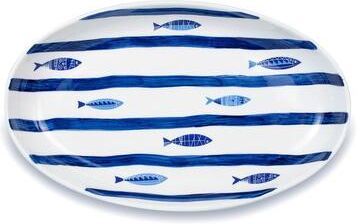

Similar search terms for Euro-Ceramica-Mediterranean-Sea
Top-Angebote
Products related to Euro-Ceramica-Mediterranean-Sea:
-
"Euro Ceramica Fez 14.5"" Oval Platter"Arrange slices of meat, cubed cheese, or your signature hors d'oeuvres on this oval serving platter featuring a rich blue color with a reactive crackle glaze and striking floral design The Fez Dinnerware, Serve Ware, and Glassware Line by Euro...33,43 $*Shipping: 0,00 $Secure redirect to the provider
-
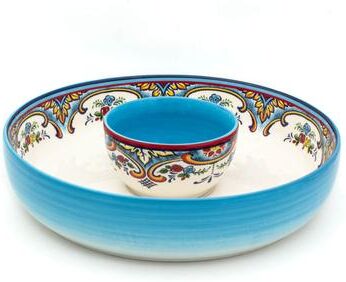
Euro Ceramica Zanzibar Chip and DipFind new expression with this vibrantly embellished dinnerware. Rich, colorful and artisan-inspired; reflecting characteristics of the South of Spain. Zanzibar is a great addition to everyday décor or special occasion parties.38,63 $*Shipping: 0,00 $Secure redirect to the provider


-
Why is the Mediterranean Sea shrinking?
The Mediterranean Sea is shrinking due to a combination of factors such as climate change, increased water usage for agriculture and urban development, and the construction of dams and reservoirs on rivers that feed into the sea. These factors have led to a decrease in the amount of freshwater flowing into the Mediterranean, causing the sea levels to drop. Additionally, rising temperatures and evaporation rates in the region are contributing to the reduction in the sea's size. **
-
Are there tides in the Mediterranean Sea?
Yes, there are tides in the Mediterranean Sea, but they are relatively small compared to other bodies of water. The tides in the Mediterranean are mainly influenced by the gravitational pull of the moon and the sun, just like in other seas and oceans. However, the narrow and shallow entrances to the Mediterranean, such as the Strait of Gibraltar, can amplify the tides in certain areas. Overall, the tides in the Mediterranean are not as significant as in other parts of the world. **
-
How can one swim in the Mediterranean Sea?
To swim in the Mediterranean Sea, one can find a suitable beach or swimming spot along the coast. It is important to check for any warning signs or flags indicating the safety of swimming in that area. Once at the beach, one can enter the water gradually, ensuring they are comfortable with the temperature and depth. It is also recommended to swim parallel to the shore and avoid strong currents or rocky areas. **
-
Is the Mediterranean saltier than the North Sea?
Yes, the Mediterranean Sea is saltier than the North Sea. The Mediterranean Sea has a higher salinity level due to its high evaporation rate and limited connection to other oceans, which results in a higher concentration of salt. In contrast, the North Sea receives freshwater input from rivers and has more exchange with the Atlantic Ocean, leading to a lower salinity level compared to the Mediterranean. **


How can one sail in the Mediterranean Sea?
To sail in the Mediterranean Sea, one can either charter a boat or join a sailing tour. There are numerous companies that offer sailing trips with experienced captains who can navigate the waters safely. Alternatively, one can also rent a sailboat and sail independently if they have the necessary sailing skills and experience. It is important to check the weather conditions, have the appropriate sailing permits, and familiarize oneself with the local maritime regulations before setting sail in the Mediterranean Sea. **
What causes high waves in the Mediterranean Sea?
High waves in the Mediterranean Sea can be caused by a variety of factors. Strong winds, such as the Mistral and the Sirocco, can generate high waves in the region. These winds can create large swells and rough seas, particularly in the western and central parts of the Mediterranean. Additionally, storms and weather systems can also contribute to the formation of high waves in the Mediterranean Sea. Finally, the geography of the region, including narrow straits and shallow areas, can amplify wave heights and create rough conditions for maritime activities. **
Top-Angebote
Products related to Euro-Ceramica-Mediterranean-Sea:
-
Euro Ceramica, Inc. Euro Ceramica Diana 1.6 Liter Green Porcelain Pitcher with Handle - 54 ozThe Diana collection by Euro Ceramica is a beautiful blend of cool turquoise tones and a robust reactive metallic finish. When these two glazes meet and mingle, the effect are variations that give each piece of Diana its own unique appeal.24,63 $*Shipping: 0,00 $Secure redirect to the provider
-
"Euro Ceramica Fez 14.5"" Oval Platter"Arrange slices of meat, cubed cheese, or your signature hors d'oeuvres on this oval serving platter featuring a rich blue color with a reactive crackle glaze and striking floral design The Fez Dinnerware, Serve Ware, and Glassware Line by Euro...33,43 $*Shipping: 0,00 $Secure redirect to the provider
-
Euro Ceramica Zanzibar Chip and DipFind new expression with this vibrantly embellished dinnerware. Rich, colorful and artisan-inspired; reflecting characteristics of the South of Spain. Zanzibar is a great addition to everyday décor or special occasion parties.38,63 $*Shipping: 0,00 $Secure redirect to the provider
-
Mediterranean or North Sea?
It ultimately depends on personal preferences and what one is looking for in a coastal experience. The Mediterranean offers warmer waters, beautiful beaches, and a rich history and culture, while the North Sea has cooler waters, rugged coastlines, and a unique maritime heritage. Both regions have their own charm and appeal, so the choice between the two would depend on individual interests and priorities. **
-
Is the North Sea, Baltic Sea, Mediterranean Sea, and open sea?
The North Sea, Baltic Sea, and Mediterranean Sea are all partially enclosed bodies of water, while the open sea refers to the vast expanse of ocean that is not enclosed by land. The North Sea and Baltic Sea are located in northern Europe and are partially enclosed by surrounding countries, while the Mediterranean Sea is connected to the Atlantic Ocean but is largely enclosed by land. The open sea, on the other hand, refers to the unrestricted ocean waters that are not enclosed by land. **
-
Why is the Mediterranean Sea shrinking?
The Mediterranean Sea is shrinking due to a combination of factors such as climate change, increased water usage for agriculture and urban development, and the construction of dams and reservoirs on rivers that feed into the sea. These factors have led to a decrease in the amount of freshwater flowing into the Mediterranean, causing the sea levels to drop. Additionally, rising temperatures and evaporation rates in the region are contributing to the reduction in the sea's size. **
-
Are there tides in the Mediterranean Sea?
Yes, there are tides in the Mediterranean Sea, but they are relatively small compared to other bodies of water. The tides in the Mediterranean are mainly influenced by the gravitational pull of the moon and the sun, just like in other seas and oceans. However, the narrow and shallow entrances to the Mediterranean, such as the Strait of Gibraltar, can amplify the tides in certain areas. Overall, the tides in the Mediterranean are not as significant as in other parts of the world. **
Similar search terms for Euro-Ceramica-Mediterranean-Sea
-
How can one swim in the Mediterranean Sea?
To swim in the Mediterranean Sea, one can find a suitable beach or swimming spot along the coast. It is important to check for any warning signs or flags indicating the safety of swimming in that area. Once at the beach, one can enter the water gradually, ensuring they are comfortable with the temperature and depth. It is also recommended to swim parallel to the shore and avoid strong currents or rocky areas. **
-
Is the Mediterranean saltier than the North Sea?
Yes, the Mediterranean Sea is saltier than the North Sea. The Mediterranean Sea has a higher salinity level due to its high evaporation rate and limited connection to other oceans, which results in a higher concentration of salt. In contrast, the North Sea receives freshwater input from rivers and has more exchange with the Atlantic Ocean, leading to a lower salinity level compared to the Mediterranean. **
-
How can one sail in the Mediterranean Sea?
To sail in the Mediterranean Sea, one can either charter a boat or join a sailing tour. There are numerous companies that offer sailing trips with experienced captains who can navigate the waters safely. Alternatively, one can also rent a sailboat and sail independently if they have the necessary sailing skills and experience. It is important to check the weather conditions, have the appropriate sailing permits, and familiarize oneself with the local maritime regulations before setting sail in the Mediterranean Sea. **
-
What causes high waves in the Mediterranean Sea?
High waves in the Mediterranean Sea can be caused by a variety of factors. Strong winds, such as the Mistral and the Sirocco, can generate high waves in the region. These winds can create large swells and rough seas, particularly in the western and central parts of the Mediterranean. Additionally, storms and weather systems can also contribute to the formation of high waves in the Mediterranean Sea. Finally, the geography of the region, including narrow straits and shallow areas, can amplify wave heights and create rough conditions for maritime activities. **
* All prices are inclusive of VAT and, if applicable, plus shipping costs. The offer information is based on the details provided by the respective shop and is updated through automated processes. Real-time updates do not occur, so deviations can occur in individual cases. ** Note: Parts of this content were created by AI.