Buy coaching-et-formation-coaching.eu ?
We are moving the project
coaching-et-formation-coaching.eu .
Are you interested in purchasing the domain
coaching-et-formation-coaching.eu ?
domain@kv-gmbh.de · 0541-91531010
Buy coaching-et-formation-coaching.eu ?
How did this coastal formation come about exactly?
This coastal formation was likely formed through a combination of geological processes such as erosion, sediment deposition, and tectonic activity. Over millions of years, the forces of wind, water, and waves have shaped the coastline, carving out cliffs, beaches, and other features. Additionally, the movement of tectonic plates may have caused the land to rise or fall, further shaping the coastal landscape. The deposition of sediments from rivers and other sources may have also contributed to the formation of this coastal area. **
What is a hardboard?
Hardboard is a type of engineered wood product that is made from compressed wood fibers. It is a dense and durable material that is often used in construction and furniture making. Hardboard is known for its smooth surface and uniform density, making it ideal for applications such as wall paneling, underlayment, and backing for furniture and cabinets. It can be easily cut, shaped, and painted, making it a versatile material for various projects. **

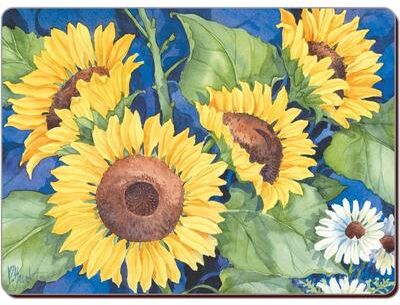
Similar search terms for CounterArt-Coastal-Waterways-Hardboard
Top-Angebote
Products related to CounterArt-Coastal-Waterways-Hardboard:
-
CounterArt Chevron Hardboard Placemat, Set of 2These CounterArt hardboard placemats are produced with a 3/16 inch thick hardboard substrate that is finished with a soft cork backing with sealed, natural edges. The top surface is moisture and stain resistant and allows for spills to be wiped clean.29,39 $*Shipping: 0,00 $Secure redirect to the provider
-
CounterArt Antique Quatrefoil Hardboard Placemat, Set of 2These CounterArt hardboard placemats are produced with a 3/16 inch thick hardboard substrate that is finished with a soft cork backing with sealed, natural edges. The top surface is moisture and stain resistant and allows for spills to be wiped clean.26,06 $*Shipping: 0,00 $Secure redirect to the provider


-
What are the costs for personal development coaching?
The costs for personal development coaching can vary widely depending on the coach's experience, expertise, and location. Some coaches may charge by the hour, with rates typically ranging from $50 to $300 per hour. Others may offer package deals or monthly retainer fees. Additionally, some coaches may offer group coaching sessions at a lower cost than individual sessions. It's important to research and compare different coaches to find one that fits your budget and needs. **
-
What are coastal waters?
Coastal waters are the areas of the ocean that are near the shore and influenced by the land. They are typically shallow and can include bays, estuaries, and inlets. These areas are important for a wide variety of marine life and are also used for recreational activities such as swimming, surfing, and fishing. Coastal waters are also vulnerable to pollution and human activities, making them a focus of conservation and management efforts. **
-
How deep are the waterways in Venice?
The waterways in Venice vary in depth, with some canals reaching depths of around 5 meters (16 feet) while others are much shallower, around 1-2 meters (3-6 feet) deep. The Grand Canal, the largest and most important waterway in Venice, has an average depth of about 5 meters (16 feet). However, due to sedimentation and tides, the depth of the waterways can fluctuate throughout the year. **
-
Is there a route planner for waterways?
Yes, there are route planners specifically designed for waterways, such as rivers, canals, and coastal areas. These route planners are often used by boaters, sailors, and kayakers to plan their journeys and navigate through waterways. They provide information on water depths, navigational hazards, and points of interest along the route. Some popular waterway route planners include Navionics, Waterway Guide, and CanalPlanAC. **
Where do coastal deserts form?
Coastal deserts form in regions where cold ocean currents flow along the coastline, creating dry and arid conditions. These deserts are typically located on the western coasts of continents, such as the Atacama Desert in South America and the Namib Desert in Africa. The cold ocean currents prevent moisture from reaching the land, resulting in very low precipitation levels and the formation of coastal desert environments. **
What coastal landforms are there?
Coastal landforms include beaches, cliffs, headlands, bays, and spits. Beaches are gently sloping areas of sand or pebbles that are formed by the action of waves and currents. Cliffs are steep rock formations that are eroded by the sea, while headlands are high points of land that jut out into the sea. Bays are curved indentations in the coastline, and spits are narrow strips of land that extend out into the sea. These landforms are constantly shaped and reshaped by the forces of erosion and deposition along the coast. **
Top-Angebote
Products related to CounterArt-Coastal-Waterways-Hardboard:
-
CounterArt Coastal Waterways Hardboard Placemat, Set of 2These CounterArt hardboard placemats are produced with a 3/16 inch thick hardboard substrate that is finished with a soft cork backing with sealed, natural edges. The top surface is moisture and stain resistant and allows for spills to be wiped clean.35,88 $*Shipping: 0,00 $Secure redirect to the provider
-
CounterArt Chevron Hardboard Placemat, Set of 2These CounterArt hardboard placemats are produced with a 3/16 inch thick hardboard substrate that is finished with a soft cork backing with sealed, natural edges. The top surface is moisture and stain resistant and allows for spills to be wiped clean.29,39 $*Shipping: 0,00 $Secure redirect to the provider
-
How did this coastal formation come about exactly?
This coastal formation was likely formed through a combination of geological processes such as erosion, sediment deposition, and tectonic activity. Over millions of years, the forces of wind, water, and waves have shaped the coastline, carving out cliffs, beaches, and other features. Additionally, the movement of tectonic plates may have caused the land to rise or fall, further shaping the coastal landscape. The deposition of sediments from rivers and other sources may have also contributed to the formation of this coastal area. **
-
What is a hardboard?
Hardboard is a type of engineered wood product that is made from compressed wood fibers. It is a dense and durable material that is often used in construction and furniture making. Hardboard is known for its smooth surface and uniform density, making it ideal for applications such as wall paneling, underlayment, and backing for furniture and cabinets. It can be easily cut, shaped, and painted, making it a versatile material for various projects. **
-
What are the costs for personal development coaching?
The costs for personal development coaching can vary widely depending on the coach's experience, expertise, and location. Some coaches may charge by the hour, with rates typically ranging from $50 to $300 per hour. Others may offer package deals or monthly retainer fees. Additionally, some coaches may offer group coaching sessions at a lower cost than individual sessions. It's important to research and compare different coaches to find one that fits your budget and needs. **
-
What are coastal waters?
Coastal waters are the areas of the ocean that are near the shore and influenced by the land. They are typically shallow and can include bays, estuaries, and inlets. These areas are important for a wide variety of marine life and are also used for recreational activities such as swimming, surfing, and fishing. Coastal waters are also vulnerable to pollution and human activities, making them a focus of conservation and management efforts. **
Similar search terms for CounterArt-Coastal-Waterways-Hardboard
-
CounterArt Antique Quatrefoil Hardboard Placemat, Set of 2These CounterArt hardboard placemats are produced with a 3/16 inch thick hardboard substrate that is finished with a soft cork backing with sealed, natural edges. The top surface is moisture and stain resistant and allows for spills to be wiped clean.26,06 $*Shipping: 0,00 $Secure redirect to the provider
-
How deep are the waterways in Venice?
The waterways in Venice vary in depth, with some canals reaching depths of around 5 meters (16 feet) while others are much shallower, around 1-2 meters (3-6 feet) deep. The Grand Canal, the largest and most important waterway in Venice, has an average depth of about 5 meters (16 feet). However, due to sedimentation and tides, the depth of the waterways can fluctuate throughout the year. **
-
Is there a route planner for waterways?
Yes, there are route planners specifically designed for waterways, such as rivers, canals, and coastal areas. These route planners are often used by boaters, sailors, and kayakers to plan their journeys and navigate through waterways. They provide information on water depths, navigational hazards, and points of interest along the route. Some popular waterway route planners include Navionics, Waterway Guide, and CanalPlanAC. **
-
Where do coastal deserts form?
Coastal deserts form in regions where cold ocean currents flow along the coastline, creating dry and arid conditions. These deserts are typically located on the western coasts of continents, such as the Atacama Desert in South America and the Namib Desert in Africa. The cold ocean currents prevent moisture from reaching the land, resulting in very low precipitation levels and the formation of coastal desert environments. **
-
What coastal landforms are there?
Coastal landforms include beaches, cliffs, headlands, bays, and spits. Beaches are gently sloping areas of sand or pebbles that are formed by the action of waves and currents. Cliffs are steep rock formations that are eroded by the sea, while headlands are high points of land that jut out into the sea. Bays are curved indentations in the coastline, and spits are narrow strips of land that extend out into the sea. These landforms are constantly shaped and reshaped by the forces of erosion and deposition along the coast. **
* All prices are inclusive of VAT and, if applicable, plus shipping costs. The offer information is based on the details provided by the respective shop and is updated through automated processes. Real-time updates do not occur, so deviations can occur in individual cases. ** Note: Parts of this content were created by AI.