Buy coaching-et-formation-coaching.eu ?
We are moving the project
coaching-et-formation-coaching.eu .
Are you interested in purchasing the domain
coaching-et-formation-coaching.eu ?
domain@kv-gmbh.de · 0541-91531010
Buy coaching-et-formation-coaching.eu ?
How can I fill decorative sand into a vase in a way that doesn't look too simple?
To fill a vase with decorative sand in a way that doesn't look too simple, you can create layers of different colored sand to add visual interest. Start by pouring a layer of one color of sand into the bottom of the vase, then add another layer of a different color on top of it. Continue layering different colors of sand until the vase is filled. You can also add decorative elements such as seashells, small rocks, or artificial flowers to enhance the overall look of the arrangement. This will create a more dynamic and visually appealing display of decorative sand in the vase. **
What are the costs for personal development coaching?
The costs for personal development coaching can vary widely depending on the coach's experience, expertise, and location. Some coaches may charge by the hour, with rates typically ranging from $50 to $300 per hour. Others may offer package deals or monthly retainer fees. Additionally, some coaches may offer group coaching sessions at a lower cost than individual sessions. It's important to research and compare different coaches to find one that fits your budget and needs. **
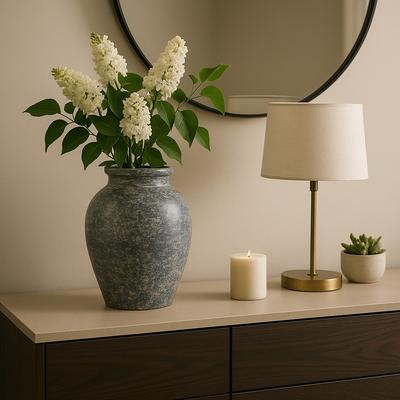
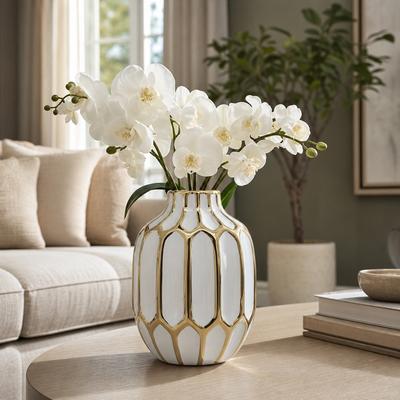
Similar search terms for Sagebrook-Home-Decorative-Vase
Top-Angebote
Products related to Sagebrook-Home-Decorative-Vase:


-
'Vase or glass?'
It depends on the context and purpose. A vase is typically used for holding flowers or decorative branches, while a glass is used for drinking liquids. If the question is about which one to use for a specific purpose, then the answer would depend on whether the intention is to display flowers or to serve a beverage. Both have their own unique functions and can be chosen based on the specific need at hand. **
-
Who made this vase?
This vase was made by an ancient Greek potter and artist. It is an example of Greek pottery from the 5th century BC, known for its intricate designs and skilled craftsmanship. The artist's name is not known, as pottery from this time period was typically not signed or attributed to specific individuals. However, it is likely that the vase was made in a workshop where multiple artists and potters collaborated on creating such pieces. **
-
Is the vase broken?
Yes, the vase is broken. It is in pieces and cannot be used in its original form. **
-
Who knows this vase?
The person who knows this vase is likely the owner or someone who has a personal connection to it. It could also be someone who has studied or researched the vase, such as an art historian or a museum curator. Additionally, the artist or creator of the vase would also have knowledge of it. **


How are decorative items stored?
Decorative items are typically stored in various ways depending on their size, fragility, and material. Smaller decorative items such as figurines or vases are often stored in cabinets, shelves, or display cases to keep them safe and organized. Larger decorative items like sculptures or artwork may be stored in dedicated storage areas such as a closet or attic, or they may be displayed in a prominent location within a room. Fragile decorative items like glassware or ceramics are usually wrapped in protective materials such as bubble wrap or tissue paper before being stored to prevent damage. **
Which decorative plaster is this?
This is Venetian plaster, a type of decorative plaster that originated in Italy. It is known for its smooth, glossy finish that resembles polished marble. Venetian plaster is made from slaked lime and marble dust, giving it a luxurious and elegant appearance. It is often used to create a sophisticated and timeless look in interior design. **
Top-Angebote
Products related to Sagebrook-Home-Decorative-Vase:
-
How can I fill decorative sand into a vase in a way that doesn't look too simple?
To fill a vase with decorative sand in a way that doesn't look too simple, you can create layers of different colored sand to add visual interest. Start by pouring a layer of one color of sand into the bottom of the vase, then add another layer of a different color on top of it. Continue layering different colors of sand until the vase is filled. You can also add decorative elements such as seashells, small rocks, or artificial flowers to enhance the overall look of the arrangement. This will create a more dynamic and visually appealing display of decorative sand in the vase. **
-
What are the costs for personal development coaching?
The costs for personal development coaching can vary widely depending on the coach's experience, expertise, and location. Some coaches may charge by the hour, with rates typically ranging from $50 to $300 per hour. Others may offer package deals or monthly retainer fees. Additionally, some coaches may offer group coaching sessions at a lower cost than individual sessions. It's important to research and compare different coaches to find one that fits your budget and needs. **
-
'Vase or glass?'
It depends on the context and purpose. A vase is typically used for holding flowers or decorative branches, while a glass is used for drinking liquids. If the question is about which one to use for a specific purpose, then the answer would depend on whether the intention is to display flowers or to serve a beverage. Both have their own unique functions and can be chosen based on the specific need at hand. **
-
Who made this vase?
This vase was made by an ancient Greek potter and artist. It is an example of Greek pottery from the 5th century BC, known for its intricate designs and skilled craftsmanship. The artist's name is not known, as pottery from this time period was typically not signed or attributed to specific individuals. However, it is likely that the vase was made in a workshop where multiple artists and potters collaborated on creating such pieces. **
Similar search terms for Sagebrook-Home-Decorative-Vase
-
Is the vase broken?
Yes, the vase is broken. It is in pieces and cannot be used in its original form. **
-
Who knows this vase?
The person who knows this vase is likely the owner or someone who has a personal connection to it. It could also be someone who has studied or researched the vase, such as an art historian or a museum curator. Additionally, the artist or creator of the vase would also have knowledge of it. **
-
How are decorative items stored?
Decorative items are typically stored in various ways depending on their size, fragility, and material. Smaller decorative items such as figurines or vases are often stored in cabinets, shelves, or display cases to keep them safe and organized. Larger decorative items like sculptures or artwork may be stored in dedicated storage areas such as a closet or attic, or they may be displayed in a prominent location within a room. Fragile decorative items like glassware or ceramics are usually wrapped in protective materials such as bubble wrap or tissue paper before being stored to prevent damage. **
-
Which decorative plaster is this?
This is Venetian plaster, a type of decorative plaster that originated in Italy. It is known for its smooth, glossy finish that resembles polished marble. Venetian plaster is made from slaked lime and marble dust, giving it a luxurious and elegant appearance. It is often used to create a sophisticated and timeless look in interior design. **
* All prices are inclusive of VAT and, if applicable, plus shipping costs. The offer information is based on the details provided by the respective shop and is updated through automated processes. Real-time updates do not occur, so deviations can occur in individual cases. ** Note: Parts of this content were created by AI.